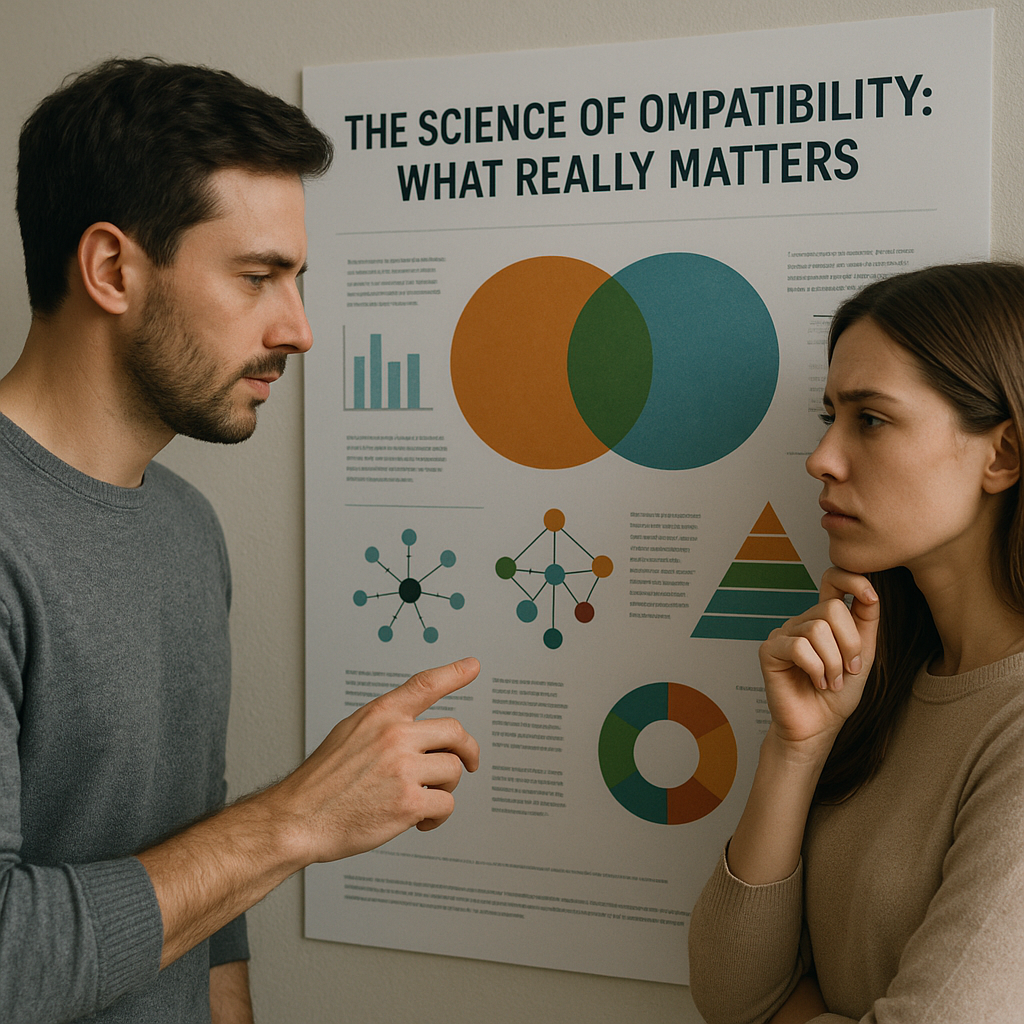
Finding a lasting connection often feels like navigating a maze of personalities, desires, and expectations. Yet beneath the surface of fleeting chemistry lies a multitude of factors that determine whether two people can grow together over time. The Science of Compatibility: What Really Matters dives into how emotional skills, communication patterns, shared convictions, and biological impulses converge to shape healthy partnerships.
Emotional Intelligence and Genuine Connection
Understanding Emotions as a Foundation
At the heart of any meaningful relationship is the ability to recognize and regulate feelings—both your own and your partner’s. High emotional intelligence means you can respond thoughtfully rather than react impulsively, creating a safe space for vulnerability. When both individuals tune into subtle cues like tone of voice or body posture, they establish a mutual appreciation that transcends surface-level attraction. Over time, this emotional attunement fosters resilience in the face of challenges.
Attachment Styles and Their Impact
Psychologists classify attachment patterns into a few core types: secure, anxious, avoidant, and disorganized. A secure style typically leads to balanced give-and-take, while anxious or avoidant tendencies can trigger patterns of clinginess or withdrawal. Identifying your primary attachment style—and that of your partner—illuminates areas where growth or compromise might be needed. Awareness of these patterns allows couples to develop healthier coping mechanisms, reducing the likelihood of long-term friction.
Communication Patterns: The Bridge to Understanding
Verbal and Non-Verbal Signals
True communication extends beyond spoken words. Non-verbal cues—eye contact, facial expressions, and gestures—often carry even more weight. When a partner looks away mid-sentence or crosses their arms, they may be signaling discomfort rather than agreement. Cultivating active listening skills, where each person feels heard without interruption or judgment, lays the groundwork for trust and openness. Clear expression of needs and boundaries prevents misinterpretation and builds intimacy.
Conflict Resolution Strategies
- Practice “I” statements to convey feelings without blaming.
- Set ground rules for heated discussions, like taking breaks.
- Focus on solutions rather than dwelling on past mistakes.
- Engage in regular check-ins to address minor issues early.
By proactively addressing disagreements, couples avoid the buildup of resentment. Over time, they develop a shared vocabulary for navigating tension, ensuring conflicts become opportunities for growth rather than sources of division.
Shared Values, Goals, and Mutual Growth
The Role of Core Convictions
Long-term alignment often hinges on congruent values. Whether it’s beliefs about family, money management, or personal integrity, mismatched priorities can erode harmony over time. Discussing philosophical viewpoints early in a relationship doesn’t kill romance—it sets clear expectations and minimizes future surprises. Partners who respect each other’s principles feel more supported, creating a stable platform for joint decisions.
Long-Term Vision and Planning
Establishing collective goals is a powerful way to steer a relationship toward shared milestones. From career aspirations and travel plans to parenting approaches, outlining a roadmap fosters cooperation and reduces the risk of drifting apart. When both people invest equally in a mutual vision, they cultivate a sense of purpose that transcends daily routines. This proactive stance keeps the relationship dynamic and forward-looking.
The Role of Chemistry: Science Meets Romance
Neurobiology of Attraction
Behind every heart-fluttering moment is a cascade of hormones and neurotransmitters. Dopamine sparks the thrill of new encounters, while oxytocin strengthens bonds through physical touch and emotional closeness. Researchers in neuroscience study how brain regions linked to reward and attachment light up when partners interact. Though biochemical reactions fade from their initial peaks, understanding these processes helps couples appreciate why early sparks feel intense and how to nurture deeper connection later.
Balancing Passion and Stability
Romantic intensity is exhilarating, but sustainable love requires more than adrenaline. Couples who blend spontaneous adventures with dependable routines strike the optimal balance. Planning occasional surprises—date nights or weekend getaways—keeps passion alive, while shared rituals like morning coffee or evening walks reinforce reliability. This dual approach satisfies both the craving for novelty and the need for security.
Building Trust and Honesty Over Time
Transparency as a Cornerstone
Healthy relationships demand consistent honesty. Hiding financial troubles, downplaying emotions, or withholding personal history creates cracks in the foundation. Open dialogue about fears, failures, and expectations cultivates an environment where both partners feel free to express their true selves. Over time, this commitment to transparency builds solid trust that can weather misunderstandings and renew dedication.
Nurturing Mutual Respect
Respect extends beyond tolerance; it’s the active appreciation of a partner’s unique qualities. Celebrating achievements, acknowledging effort, and refraining from condescension all contribute to a respectful atmosphere. When each person feels valued, the relationship thrives on positive reinforcement rather than criticism or competition.
Practical Tools for Enhancing Compatibility
Personality Assessments and Workshops
Tools like the Myers-Briggs Type Indicator or the Enneagram can offer insights into communication preferences, decision-making styles, and emotional triggers. Participating in couple’s workshops or retreats centered on relationship skills provides structured opportunities to practice active listening, conflict resolution, and empathy exercises. Such experiences often accelerate bonding and reveal latent areas for collaboration.
Routine Check-Ins and Adaptation
Compatibility is not a static achievement but a continuous project. Scheduling monthly or quarterly reviews—quiet conversations about what’s working and where adjustments are needed—ensures both partners remain aligned. This ritual of regular reflection encourages adaptability, so the relationship evolves in step with each individual’s personal growth.
Embracing Individuality Within Unity
The Power of Autonomy
Strong partnerships balance togetherness with personal freedom. Maintaining hobbies, friendships, and self-care routines helps each person stay grounded and fulfilled. When partners support each other’s independence, they prevent feelings of suffocation and preserve the excitement of discovering new dimensions in one another.
Creating Shared Memories
Whether it’s learning a new skill together, traveling to unfamiliar destinations, or simply cooking meals as a team, shared activities forge a rich tapestry of experiences. These memories become the glue that holds a relationship firm during difficult times, reminding partners of their journey and reinforcing their commitment.
Conclusion
Compatibility emerges at the intersection of emotional savvy, clear communication, aligned priorities, and an appreciation for both the chemistry and the work that love entails. By cultivating self-awareness, fostering open dialogue, and embracing both individual and collective growth, couples lay the groundwork for enduring affection. The science behind connection shows us that while romance can ignite quickly, the flame that endures is fueled by understanding, respect, and a shared vision for the future.