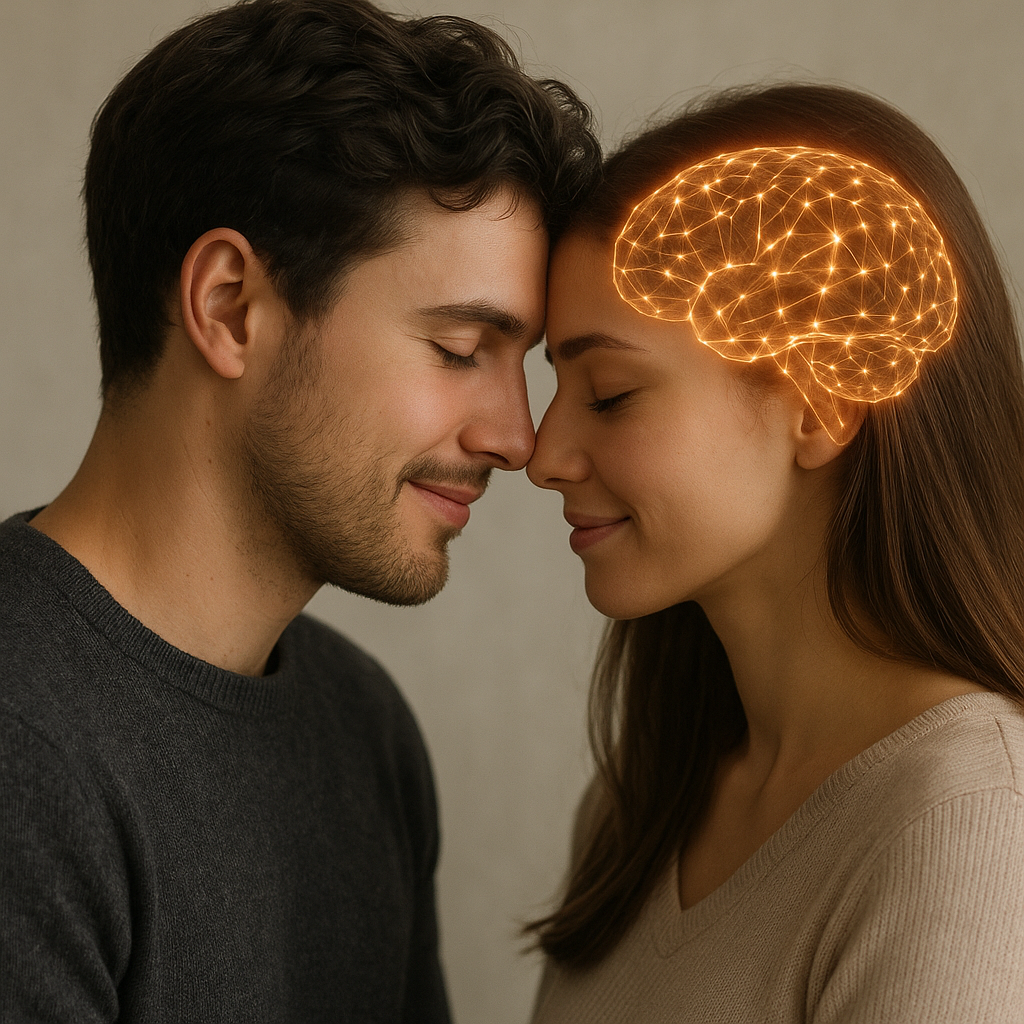
The intricate dance of emotions, thoughts, and behaviors that leads two individuals to fall for each other has fascinated scientists, poets, and everyday people alike. While each love story is unique, underlying patterns emerge when we examine the phenomenon from a psychological perspective. This article delves into four major dimensions of love: biological triggers, mental processes, social context, and long-term sustenance. By understanding these factors, we can gain insight into how connections form, deepen, and endure.
Biological Foundations of Attraction
At the heart of every initial spark lies a cascade of neurochemical events. Evolution has wired humans to seek partners whose qualities may enhance survival or reproductive success. When two people meet and feel drawn to each other, several key processes unfold:
- Dopamine Surge: Often called the “reward molecule,” dopamine floods the brain when we experience novel or thrilling interactions. This chemical reinforces pleasurable feelings and motivates us to seek more time with the other person.
- Oxytocin Release: Known as the “bonding hormone,” oxytocin is produced during physical touch, eye contact, and intimate moments. It fosters trust and deepens attachment between partners.
- Physiological Arousal: Increased heart rate, sweaty palms, and dilated pupils can intensify the perception of chemistry. Misattribution of arousal—when we confuse nervous excitement for romantic interest—can amplify attraction.
These biological responses work together to create a feeling of euphoria and focus, often describing early love as an addictive, exhilarating experience. Yet, chemistry alone cannot sustain a partnership beyond its initial phase.
Psychological Mechanisms in Falling in Love
Beyond hormones and neurotransmitters, the mind employs cognitive and emotional strategies to form and maintain romantic bonds:
Cognitive Biases
- Halo Effect: We tend to perceive attractive individuals as more trustworthy or intelligent, enhancing our overall positive impression.
- Confirmation Bias: Once we start liking someone, we selectively notice information that validates our positive feelings, overlooking flaws or red flags.
Emotional Factors
- Vulnerability: Sharing personal stories and fears creates emotional closeness. The act of revealing one’s true self often elicits empathy and reciprocal openness.
- Empathy: The ability to understand and resonate with a partner’s feelings strengthens the bond. Partners who respond supportively to distress signals build mutual trust.
These mental processes can sometimes lead us astray—idealizing a partner or ignoring incompatibilities. Recognizing our own biases allows for healthier, more realistic expectations.
Social and Cultural Influences
Individual psychology does not operate in a vacuum. Social norms, cultural narratives, and technology all shape the ways we find and perceive potential partners.
Role of Social Networks
- Friend Groups: Introductions by mutual friends carry an implicit endorsement, increasing perceived safety and reducing uncertainty.
- Family Expectations: Cultural or familial norms often influence partner choice, from religious compatibility to socioeconomic status.
Media and Technology
- Online Dating Apps: Algorithms match users based on profiles, swipes, or quizzes. While convenient, they can encourage superficial judgments over deeper compatibility.
- Romantic Narratives: Books, films, and social media posts set templates for “ideal” relationships. These stories can inspire us but also create unrealistic standards.
By understanding these external pressures, individuals can navigate the dating landscape with greater awareness, balancing personal desires against societal influences.
Maintaining and Deepening Connection
Falling in love is only the beginning. To turn an initial spark into enduring partnership, couples must cultivate skills and habits that reinforce their bond.
Effective Communication
- Active Listening: Paying full attention, asking clarifying questions, and validating feelings promote mutual understanding.
- Conflict Resolution: Disagreements are inevitable. Approaching conflicts with curiosity rather than blame reduces hostility and fosters compromise.
Shared Experiences
- New Activities: Trying novel tasks together releases fresh waves of dopamine, reigniting excitement.
- Rituals and Traditions: Weekly date nights or annual getaways create predictable opportunities for connection and reaffirmation of commitment.
Lastly, sustaining intimacy means preserving personal authenticity. Partners should encourage each other’s growth, ensuring that love remains a source of support rather than a limiting force.