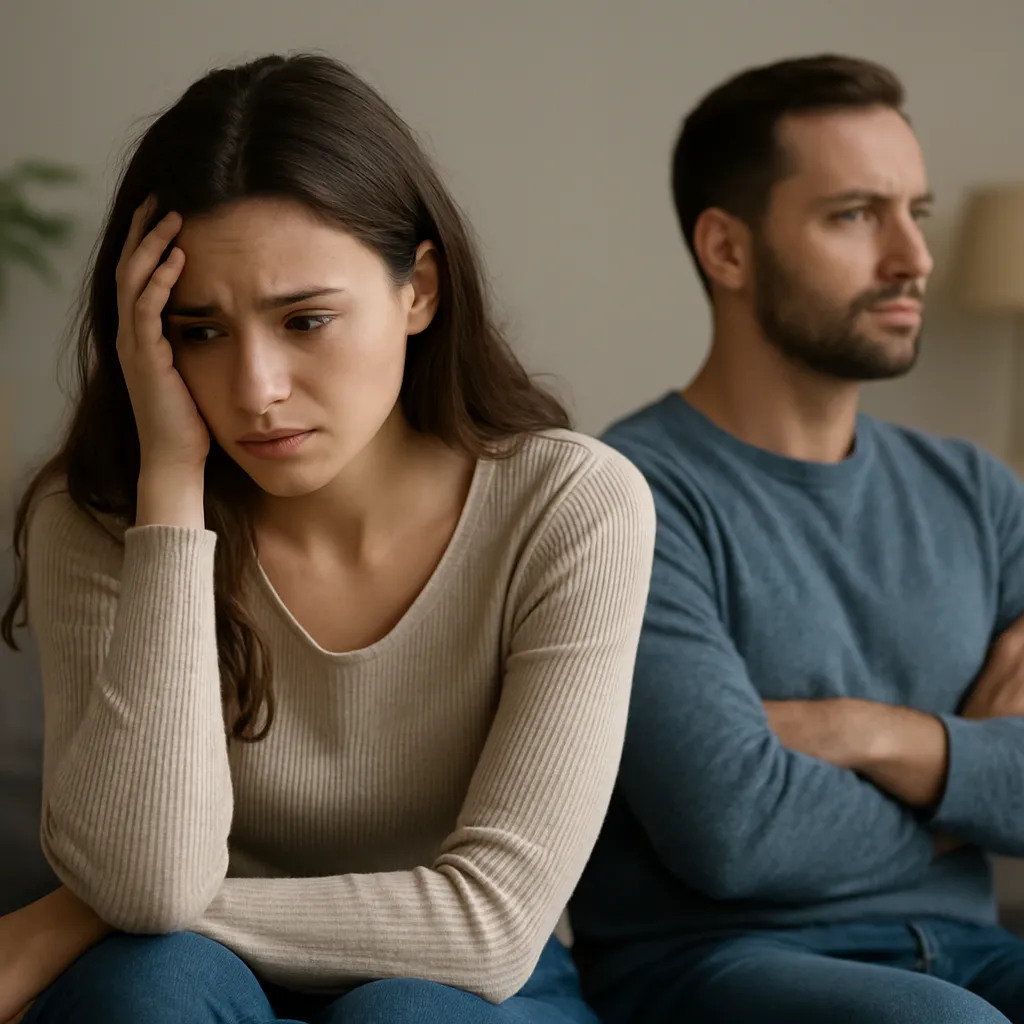
Many people find themselves repeatedly drawn to partners who are emotionally distant, leaving them puzzled and frustrated. This pattern often stems from deep-seated beliefs and past experiences that shape the way we seek love and intimacy. Understanding why you keep falling for emotionally unavailable individuals can be the first step toward creating healthier relationships and fostering genuine emotional fulfillment.
Recognizing the Patterns of Avoidant Attachment
One of the key reasons we gravitate toward emotionally unavailable partners is our attachment style. Attachment theory explains how early relationships with caregivers influence our adult romantic connections. If you grew up learning to self-soothe because your needs were often unmet, you may develop an avoidant style. This makes you more comfortable with partners who maintain their distance. Behind this preference lie several mechanisms:
- Familiarity: You repeat what you know, even if it causes pain.
- Control: An emotionally distant partner allows you to set the pace and limits.
- Fantasy: You fill the gaps with idealized stories of what could be, rather than what is.
By pinpointing these patterns, you gain crucial awareness about why you might unconsciously choose unavailability over genuine connection.
Unpacking the Root Causes
Moving beyond labels and theories, it’s essential to explore the deeper reasons behind our attraction to emotional unavailability. This exploration can be uncomfortable but ultimately liberating.
Childhood Echoes
Early experiences of inconsistent caregiving or emotional neglect often lead to long-lasting imprints. You might have learned to suppress your feelings or believe that love must be earned through sacrifice. As adults, you may unknowingly recreate childhood dynamics, seeking validation from partners who keep you guessing.
Fear of Intimacy
While it sounds counterintuitive, chasing an unavailable person can be a defense against true closeness. You remain safe because they’ll never fully see you. Beneath this pattern lies a potent mix of fear and desire—a craving for intimacy that is immediately thwarted.
Self-Worth Tangle
Your self-esteem may hinge on rescuing or fixing others. The more emotionally distant they are, the more you feel needed. This fosters an unhealthy feedback loop: their pull-away triggers your chase, and your chase validates your sense of indispensability.
Strategies to Break the Cycle
Awareness alone won’t change your romantic trajectory. You also need deliberate actions to shift away from maladaptive patterns.
- Set Clear Boundaries: Define what you will and won’t accept in a relationship. Discourage hot-and-cold treatment by communicating your needs early on.
- Foster Emotional Literacy: Learn to identify, name, and express your feelings with trusted friends or a therapist. This builds your capacity for vulnerability.
- Challenge Your Mindset: Reframe the idea that love is a reward for perseverance. Instead, see it as a mutual exchange of respect and support.
- Increase Self-Worth: Invest in hobbies, personal goals, and social connections outside of romantic pursuits. A well-rounded life makes you less reliant on a single person for validation.
These steps cultivate a sense of agency and encourage you to pursue partners who are ready to engage in a reciprocal, emotionally fulfilling way.
Cultivating Healthier Romantic Connections
Once you’ve addressed internal obstacles, you can start forming relationships based on authenticity and mutual growth.
Prioritize Open Communication
Expressing your expectations and concerns up front sets the tone for honest dialogue. When both partners feel safe sharing their truths, emotional walls begin to crumble.
Look for Consistency
Words without matching actions often signal unavailability. Seek gestures—big or small—that align with caring words. Consistency breeds trust and reassures you that your affection is returned.
Embrace Slow Progress
Real intimacy grows over time. Resist the pressure to rush into labels or living arrangements. Slow pacing ensures that emotional readiness, not blind passion, drives the relationship forward.
By nurturing these practices, you shift from reacting to patterns of unavailability toward creating sustainable bonds founded on connection and mutual respect.
The Path to Lasting Fulfillment
Transforming your romantic life requires patience and self-compassion. As you untangle the threads of past conditioning, you bolster your capacity for meaningful love. Remember that choosing emotionally available partners isn’t just about their behavior—it’s about honoring your own emotional needs and reclaiming your power. With each step forward, you cultivate greater growth, resilience, and a deeper sense of what true intimacy feels like.